When engineers and procurement teams need a high-strength aluminum alloy from the 7xxx series, the choice almost always comes down to 7005 vs 7075 aluminum. Both are zinc-magnesium precipitation-hardening alloys, but they differ significantly in weldability, strength, cost, and available product forms. This comprehensive comparison helps B2B buyers, fabricators, and OEM manufacturers make the right material selection for sheet, bar, tube, coil, and wire applications.
As a leading Chinese aluminum manufacturer, HXM Aluminum supplies both 7005 and 7075 alloy products in multiple forms. This guide draws on our factory experience to give you practical, data-driven comparison tables covering chemical composition, mechanical properties, weldability, corrosion resistance, pricing, and application recommendations.
7005 vs 7075 Aluminum: Quick Comparison Table
| Property | 7005-T6 | 7075-T6 | Winner |
|---|---|---|---|
| Tensile Strength (MPa) | 345 min | 510-570 | 7075 |
| Yield Strength (MPa) | 290 min | 430-505 | 7075 |
| Weldability | Excellent | Poor (hot-cracking) | 7005 |
| Natural Aging | Yes (30-90 days) | No (requires HT) | 7005 |
| Corrosion Resistance | Good | Fair (SCC risk) | 7005 |
| Extrudability | Excellent | Difficult | 7005 |
| Cost Level | Medium | High | 7005 |
| Density (g/cm3) | 2.78 | 2.81 | ~Equal |
| Available Forms | Sheet, Bar, Tube, Coil, Wire | Sheet, Bar, Plate (limited tube/wire) | 7005 |
Summary: 7075 wins on raw strength; 7005 wins on weldability, cost, corrosion resistance, natural aging, and product form availability. For most B2B fabrication applications, 7005 is the more practical and cost-effective choice.
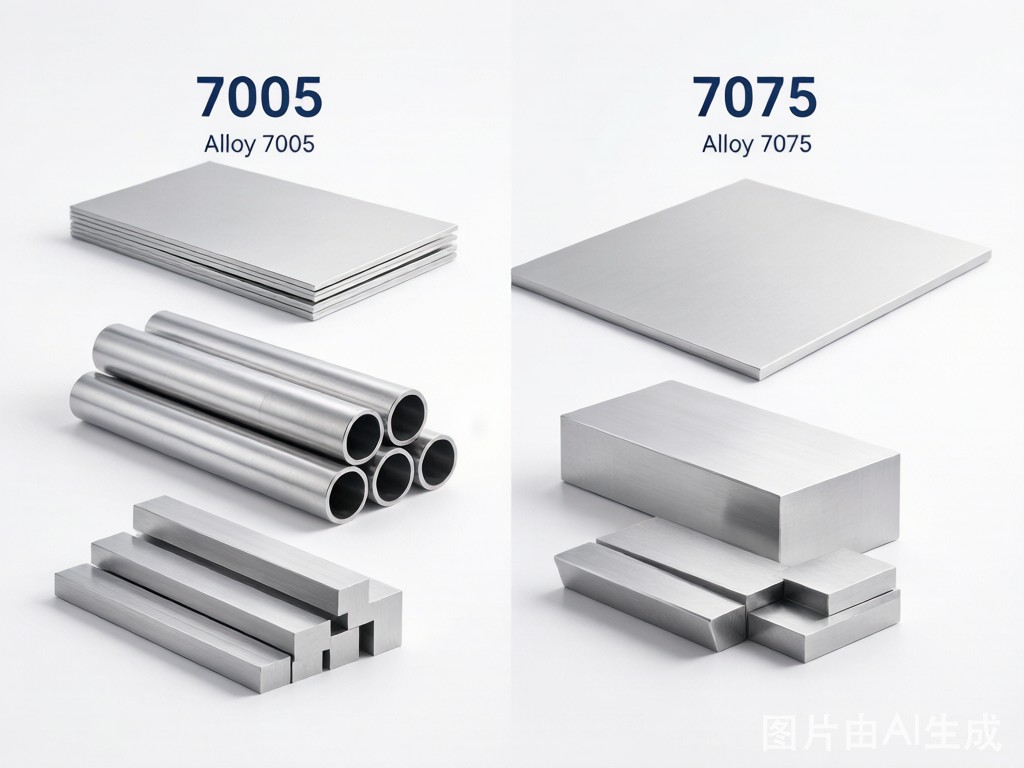
Chemical Composition: 7005 vs 7075 Aluminum
The chemical composition difference between 7005 and 7075 explains their divergent properties. Both are Al-Zn-Mg alloys, but 7075 contains significantly more zinc and copper, which gives it higher strength but reduces weldability and corrosion resistance.
| Element | 7005 (wt%) | 7075 (wt%) | Difference |
|---|---|---|---|
| Zinc (Zn) | 4.0-5.0 | 5.1-6.1 | 7075 has ~1% more Zn |
| Magnesium (Mg) | 1.0-1.8 | 2.1-2.9 | 7075 has ~1% more Mg |
| Copper (Cu) | max 0.10 | 1.2-2.0 | 7075 has 12-20x more Cu |
| Chromium (Cr) | 0.12-0.25 | 0.18-0.28 | Similar |
| Manganese (Mn) | 0.20-0.50 | max 0.30 | 7005 has more Mn |
| Zirconium (Zr) | 0.08-0.20 | — | 7005 only (weldability enhancer) |
| Silicon (Si) | max 0.35 | max 0.40 | Similar |
| Iron (Fe) | max 0.40 | max 0.50 | Similar |
| Aluminum (Al) | Remainder | Remainder | — |
Key takeaway: The higher copper content in 7075 (1.2-2.0% vs 0.10% max in 7005) is the primary reason for its higher strength, but it also causes hot-cracking during welding and reduces stress corrosion cracking (SCC) resistance. The zirconium in 7005 acts as a grain refiner that improves weldability and recrystallization resistance.
Mechanical Properties: 7005 vs 7075 by Temper
| Temper | Alloy | Tensile (MPa) | Yield (MPa) | Elongation (%) | Hardness (HB) |
|---|---|---|---|---|---|
| T6 | 7005 | 345 min | 290 min | 10 min | ~100 |
| 7075 | 510-570 | 430-505 | 7-11 | ~150 | |
| T73 | 7005 | 310-340 | 260-290 | 12 min | ~90 |
| 7075 | 385-455 | 315-385 | 7 min | ~135 | |
| O (Annealed) | 7005 | max 220 | max 110 | 16 min | ~35 |
| 7075 | max 280 | max 145 | 10 min | ~60 |
Source: ASTM B221 (extruded bars, rods, wire, profiles, tubes), ASTM B209 (sheet and plate). Values are typical minimums; actual properties may vary with product form and thickness.
Strength-to-Weight Ratio Comparison
While 7075-T6 offers roughly 45-65% higher tensile strength than 7005-T6, both alloys have nearly identical densities (2.78 vs 2.81 g/cm3). For applications where welding is required, 7005’s weldable joints can be stronger than 7075’s mechanical fasteners, making the effective strength gap smaller in real-world assemblies. Additionally, 7005’s natural aging allows post-weld strength recovery that 7075 simply cannot achieve.
Weldability: The Decisive Factor for Most Buyers
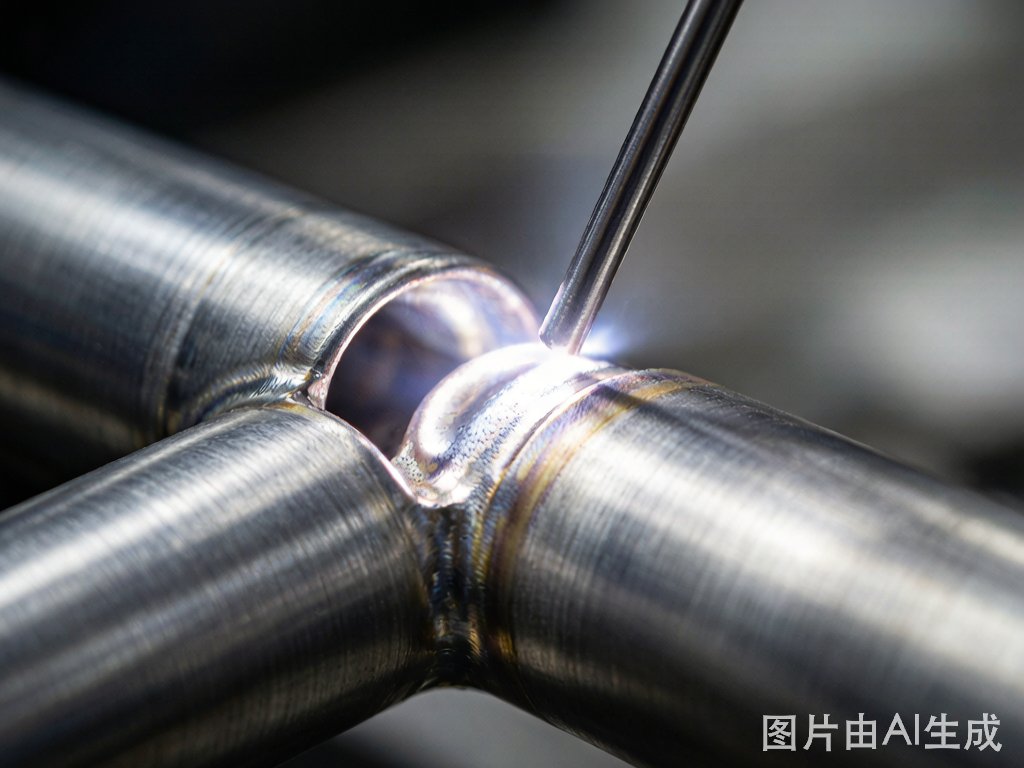
Weldability is the single most important difference between 7005 and 7075 for fabricators and OEM manufacturers. 7005 aluminum is weldable; 7075 aluminum is not. This simple fact drives material selection for bicycle frames, structural assemblies, marine components, and many other applications.
Why 7005 Welds Better
The zirconium content in 7005 (0.08-0.20%) acts as a grain refiner that prevents hot-cracking in the weld heat-affected zone (HAZ). The low copper content (max 0.10%) also reduces solidification cracking susceptibility. After welding, 7005 naturally age-hardens at room temperature, recovering significant strength within 30-90 days without any post-weld heat treatment.
Why 7075 Cannot Be Welded
The high copper content in 7075 (1.2-2.0%) creates a wide solidification temperature range that promotes hot-cracking. Welding 7075 typically results in cracks in the weld metal and HAZ. For this reason, 7075 components are almost always joined by mechanical fastening (bolts, rivets) or adhesive bonding rather than welding.
| Welding Parameter | 7005 | 7075 |
|---|---|---|
| TIG Welding | Recommended | Not recommended |
| MIG Welding | Recommended | Not recommended |
| Friction Stir Welding | Excellent | Possible but limited |
| Recommended Filler | 5356, 5183, or 7005-series | N/A |
| Post-Weld Strength Recovery | Natural aging (30-90 days) | None (requires full HT) |
For welded tube assemblies, HXM Aluminum offers 7005 aluminum tubes specifically designed for bicycle frame and structural welding applications. We also supply 7005 aluminum welding wire as filler material.
Available Product Forms: 7005 vs 7075
7005 is significantly more versatile than 7075 in terms of available product forms. Because 7005 has excellent extrudability and can be drawn into wire and rolled into coil, it is available in all five major product forms. 7075, by contrast, is difficult to extrude and cannot be practically drawn into wire, limiting it primarily to sheet, plate, and bar stock.
| Product Form | 7005 Availability | 7075 Availability | HXM Product Link |
|---|---|---|---|
| Aluminum Sheet | Yes (0.3-6mm) | Yes (0.5-50mm plate) | 7005 Aluminum Sheet |
| Aluminum Bar | Yes (3-200mm) | Yes (3-300mm) | 7005 Aluminum Bar |
| Aluminum Tube | Yes (6-120mm OD) | Limited (special order) | 7005 Aluminum Tube |
| Aluminum Coil | Yes (0.3-6mm thick) | No (not practical) | 7005 Aluminum Coil |
| Aluminum Wire | Yes (0.5-12mm) | No (cannot be drawn) | 7005 Aluminum Wire |
As a full-line 7005 aluminum supplier, HXM Aluminum maintains inventory of all five product forms with factory-direct wholesale pricing. Whether you need 7005 aluminum sheet for aerospace skin panels, 7005 aluminum bar for machined fittings, 7005 aluminum tube for bicycle frames, 7005 aluminum coil for transportation body panels, or 7005 aluminum wire for welding filler and fasteners, we can supply mill-direct material with full certifications.
Application Recommendations: When to Choose 7005 vs 7075
Choose 7005 Aluminum When:
- Welding is required — bicycle frames, structural tube assemblies, welded brackets
- Natural aging is preferred — post-form or post-weld strength recovery without heat treatment
- Corrosion resistance matters — marine, outdoor, or coastal environments
- Wire or coil products are needed — 7075 is not available in these forms
- Cost optimization is important — 7005 typically costs 20-30% less than 7075
- Extruded profiles are needed — 7005 extrudes more easily than 7075
Choose 7075 Aluminum When:
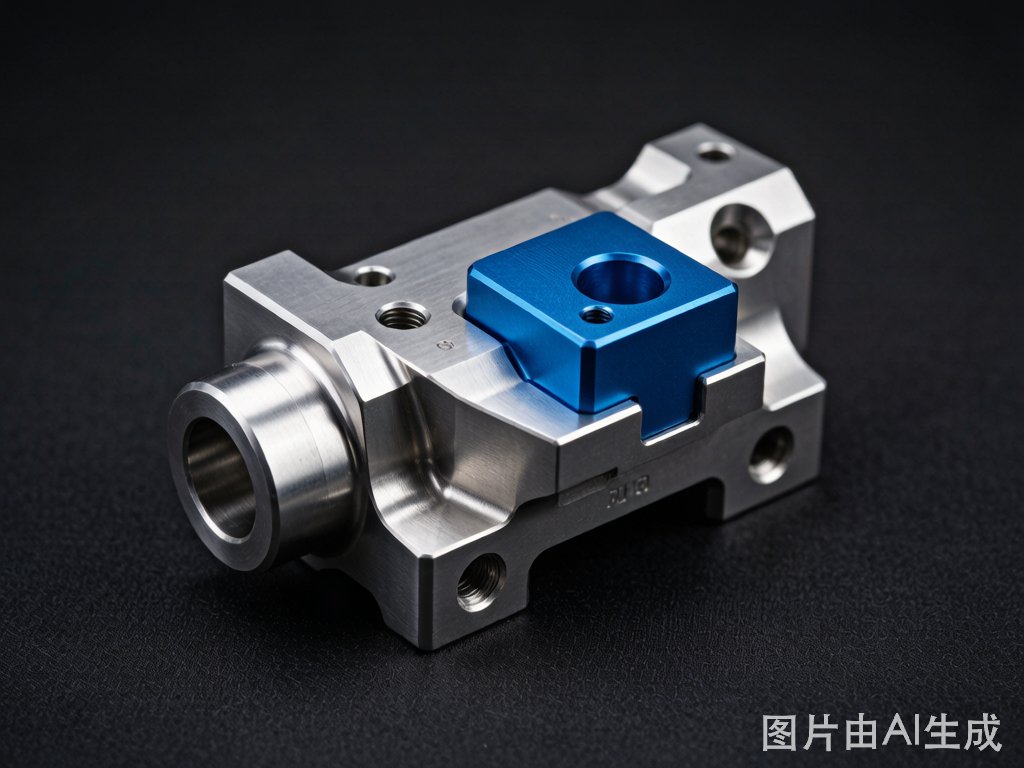
- Maximum strength is critical — aerospace fittings, military components, high-stress structural parts
- No welding is needed — components joined by machining, bolting, or riveting
- Fatigue resistance is paramount — 7075 has superior fatigue life in high-cycle applications
- Machined from solid stock — CNC machined from bar or plate
- Budget allows for higher material cost — 7075 is a premium alloy
Application Matrix by Product Form
| Application | Recommended Alloy | Product Form | Reason |
|---|---|---|---|
| Bicycle frame tubing | 7005 | Tube | Weldable + natural aging |
| Aerospace fittings | 7075 | Bar/Plate | Maximum strength, machined |
| Welding filler wire | 7005 | Wire | Only 7005 available as wire |
| Transportation body panels | 7005 | Coil/Sheet | Formable + weldable + cost-effective |
| Mold and tooling plates | 7075 | Plate | High hardness + fatigue strength |
| Rivets and fasteners | 7005 | Wire | Cold-heading quality + natural aging |
| Marine structural components | 7005 | Sheet/Tube | Better corrosion resistance |
| Drone/UAV frames | 7005 | Tube/Bar | Lightweight + weldable + affordable |
Cost Comparison: 7005 vs 7075 Aluminum Pricing
For B2B buyers and procurement teams, cost is often the deciding factor. 7005 aluminum is typically 20-30% less expensive than 7075 across all comparable product forms. The price difference comes from several factors:
- Raw material cost: 7075’s higher zinc and copper content increases alloying costs
- Processing difficulty: 7075 is harder to extrude, forge, and machine, increasing manufacturing costs
- Heat treatment: 7075 requires precise solution heat treatment; 7005 can naturally age
- Market demand: 7075 commands a premium in aerospace and defense markets
- Supply availability: 7005 is more widely produced, keeping prices competitive
| Product Form | 7005 Price Index | 7075 Price Index | Savings with 7005 |
|---|---|---|---|
| Sheet/Plate | 100 (baseline) | 125-140 | 20-28% |
| Bar/Rod | 100 (baseline) | 120-135 | 17-26% |
| Tube | 100 (baseline) | N/A (not available) | 100% |
| Wire | 100 (baseline) | N/A (not available) | 100% |
| Coil | 100 (baseline) | N/A (not available) | 100% |
Price index based on HXM Aluminum factory-direct wholesale pricing (2026 Q3). Actual prices vary with quantity, temper, dimensions, and market conditions. Contact us for a custom quote.
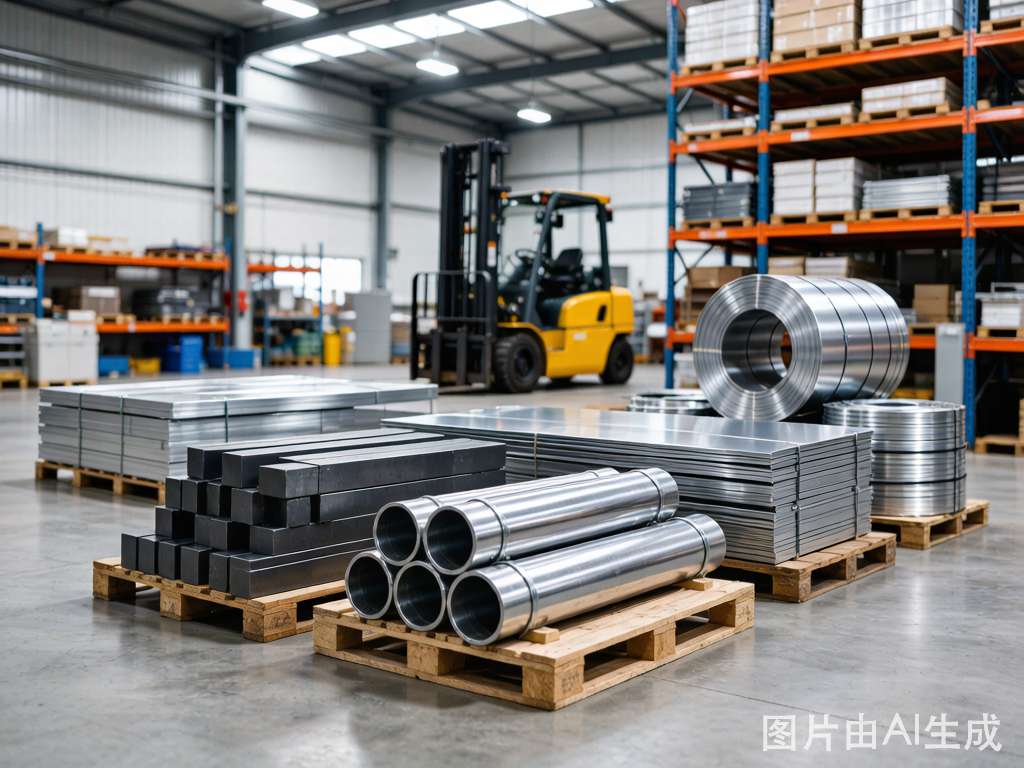
Source 7005 Aluminum Products from HXM Aluminum
As a certified Chinese aluminum manufacturer, HXM Aluminum supplies 7005 alloy products in all five forms with factory-direct wholesale pricing, ISO 9001 quality certification, and global shipping.
- 7005 Aluminum Sheet — 0.3-6mm thickness, aerospace and transportation
- 7005 Aluminum Bar — 3-200mm diameter, machined fittings and structural parts
- 7005 Aluminum Tube — 6-120mm OD, bicycle frames and hydraulic cylinders
- 7005 Aluminum Coil — 0.3-6mm thick, body panels and cladding
- 7005 Aluminum Wire — 0.5-12mm diameter, welding filler and fasteners
Frequently Asked Questions: 7005 vs 7075 Aluminum
Is 7005 aluminum stronger than 7075?
No, 7075-T6 is significantly stronger than 7005-T6. 7075-T6 has a tensile strength of 510-570 MPa versus 345+ MPa for 7005-T6. However, 7005 offers superior weldability, natural aging, corrosion resistance, and lower cost. For applications requiring welding, 7005 is often the better practical choice despite its lower raw strength.
Can you weld 7075 aluminum?
No, 7075 aluminum is generally considered unweldable due to its high copper content (1.2-2.0%), which causes hot-cracking in the weld zone. If welding is required for your application, 7005 aluminum is the recommended alternative from the 7xxx series. 7005 can be TIG or MIG welded using 5356 or 5183 filler wire.
What products are available in 7005 but not 7075?
7005 aluminum is available in tube, wire, and coil forms, which are not practically available in 7075. This is because 7005 has better extrudability and drawability. 7075 is primarily limited to sheet, plate, and bar stock. If you need welded tube assemblies, welding filler wire, or rolled coil products, 7005 is your only option in the 7xxx series.
Which alloy is better for bicycle frames, 7005 or 7075?
7005 is strongly preferred for bicycle frames because it can be TIG welded, whereas 7075 cannot. After welding, 7005 naturally age-hardens at room temperature over 30-90 days, recovering most of its T6 strength without post-weld heat treatment. This makes 7005 tubing significantly more cost-effective for frame manufacturing.
How much does 7005 aluminum cost compared to 7075?
7005 aluminum typically costs 20-30% less than 7075 across comparable product forms (sheet, bar, plate). The cost difference comes from 7075’s higher alloying element costs (more zinc and copper), more difficult processing, and aerospace market premium pricing. For B2B buyers seeking cost optimization without sacrificing weldability, 7005 offers excellent value.
Does HXM Aluminum supply both 7005 and 7075 products?
Yes, HXM Aluminum manufactures and supplies both 7005 and 7075 aluminum products. We specialize in 7005 alloy across all five product forms (sheet, bar, tube, coil, wire) and also supply 7075 sheet, plate, and bar. Contact us with your specifications for factory-direct wholesale pricing.
What is the corrosion resistance difference between 7005 and 7075?
7005 has better corrosion resistance than 7075, particularly against stress corrosion cracking (SCC). 7075’s higher copper content makes it susceptible to SCC, especially in the T6 temper. For marine, coastal, or outdoor applications, 7005 is the safer choice. 7075 in T73 temper has improved SCC resistance but still does not match 7005.
Can 7005 aluminum replace 7075 in aerospace applications?
It depends on the specific component. For non-critical structural parts, drone frames, and welded assemblies, 7005 can effectively replace 7075 at lower cost. For flight-critical aerospace fittings, landing gear components, and high-stress parts where maximum strength and fatigue life are essential, 7075 remains the required material. Always consult your design engineer before substituting alloys in aerospace applications.