When a drawing calls for a high-strength 2xxx aerospace alloy, the shortlist almost always collapses to 2014 and 2024 aluminum. Both are heat-treatable Al-Cu-Mg alloys, both deliver the 400-500 MPa class strength that airframe structures need, and both are notorious for poor corrosion resistance. But the two alloys were engineered for different jobs: 2014 was optimized for forging and heavy sections, while 2024 was tuned for fatigue-critical sheet and plate. Pick the wrong one and you either fight hot-cracking in the forge or watch fatigue cracks start at a fuselage fastener row.
This guide gives procurement and stress engineers the data to choose with confidence: nominal composition, typical mechanical properties by temper, fatigue and corrosion behavior, weldability, machinability, and the real sourcing trade-offs (MOQ, lead time, certification). For a deeper alloy-level primer, start with our 2024 aerospace aluminum guide.
⚠️ Buyer Pain: The drawing just says “2024-T3” but our part is a complex forged fitting — can we substitute 2014 to improve forge yield?
✅ HXM Solution: Yes in many cases, but only after checking fatigue and corrosion allowance. 2014 forges more cleanly thanks to its higher silicon, yet it trades some fatigue strength. We map both alloys below so your substitution request holds up under review.
Both Are 2xxx Al-Cu Alloys — But Built for Different Shapes
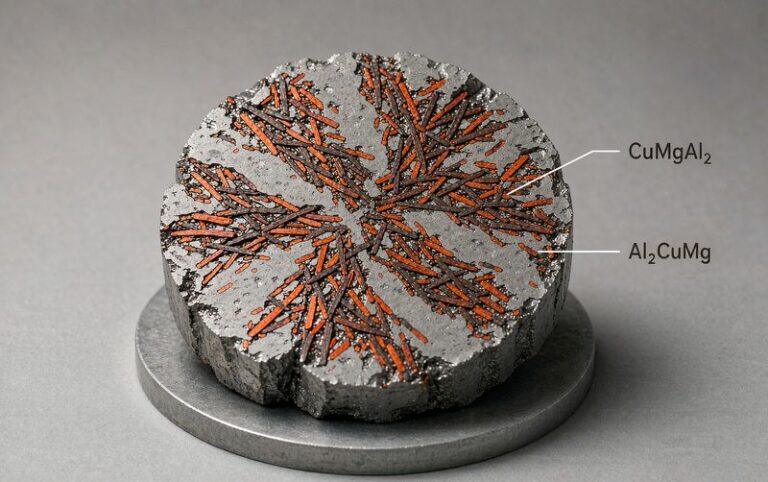
2014 and 2024 belong to the 2xxx series, the workhorse heat-treatable aerospace family built around copper as the primary strengthening element (roughly 3.8-5.0% Cu). Magnesium and, in 2014’s case, silicon round out the precipitate chemistry that gives these alloys their high strength after solution heat treatment and artificial aging.
The split in intent shows up in the chemistry. 2014 carries 0.5-1.2% silicon, which improves hot-workability and lets it fill complex forging dies without tearing. 2024 keeps silicon very low (max 0.5%) and pushes magnesium to 1.2-1.8%, which refines the grain structure and gives the superior fatigue resistance that skins and tension members demand.
Practically: if your part is a forging, wheel, or thick machined block, 2014 is usually the lower-risk buy. If your part is a rolled sheet, plate, or extrusion that lives in tension, 2024 is the safer engineering choice. Neither welds well, and both need a corrosion strategy.
Composition Comparison (nominal wt%)
| Element | 2014 | 2024 | What it buys you |
|---|---|---|---|
| Silicon (Si) | 0.50-1.20 | 0.50 max | 2014’s higher Si = better forge fill, lower hot-crack risk |
| Iron (Fe) | 0.70 max | 0.50 max | Impurity; lower Fe improves ductility and fatigue |
| Copper (Cu) | 3.90-5.00 | 3.80-4.90 | Primary strengthener in both alloys |
| Manganese (Mn) | 0.40-1.20 | 0.30-0.90 | Refines grains, raises recrystallization temp |
| Magnesium (Mg) | 0.20-0.80 | 1.20-1.80 | 2024’s higher Mg = finer structure, better fatigue |
| Zinc (Zn) | 0.25 max | 0.25 max | Kept low to avoid stress-corrosion sensitivity |
| Chromium (Cr) | 0.10 max | 0.10 max | Trace; minor recrystallization control |
| Titanium (Ti) | 0.15 max | 0.15 max | Grain refiner |
| Density (g/cm3) | 2.80 | 2.78 | Near-identical; weight is not a differentiator |
Notice the only meaningful chemistry gap is silicon and magnesium in opposite directions. That single trade is the root cause of every downstream difference in this article. For baseline property values across the whole range, bookmark our aluminum mechanical properties chart.
Typical Mechanical Properties by Temper
| Temper | Alloy | UTS (MPa) | YS (MPa) | Elong (%)-in 2mm | Typical use |
|---|---|---|---|---|---|
| T4 / T42 | 2014 | 425 | 290 | 18 | Formed, age-hardenable parts |
| T6 / T651 | 2014 | 480 | 415 | 13 | Forgings, heavy structurals |
| T851 | 2014 | 485 | 450 | 10 | Precision-machined plates |
| T3 / T351 | 2024 | 480 | 345 | 18 | Fuselage skin, sheet |
| T4 / T42 | 2024 | 425 | 275 | 19 | Formed sheet parts |
| T851 / T852 | 2024 | 470 | 400 | 10 | Plate, machined parts |
2024-T3 and 2014-T6 sit at almost the same ultimate tensile strength (~480 MPa), but the yield and elongation tell the real story. 2024-T3 stretches more before it breaks (18-20% vs 13%) and runs a lower yield, which is exactly what you want in a skin that must absorb fatigue cycling without brittle fracture. 2014-T6 runs a higher yield, favoring stiff, heavily loaded forgings.
Fatigue and Fracture: Where 2024 Wins
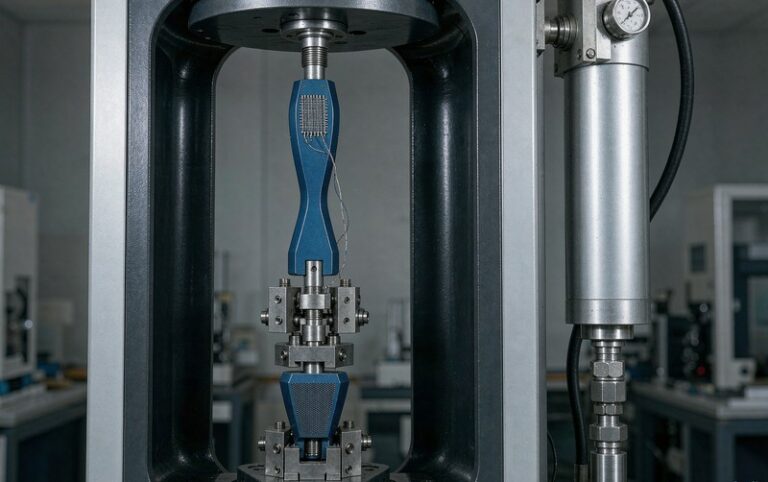
For airframe structures the governing load is rarely the static ultimate — it is the fatigue limit over 30 years of flight cycles. On this axis 2024 is the stronger engineering call. Its lower silicon and finer, more uniform precipitate distribution give a longer crack-initiation life and slower small-crack growth in the regime where inspection intervals are set.
2014 is by no means weak, and in thick forged sections its higher yield often dominates the design. But for thin, highly stressed sheet and plate under tension-compression cycling (fuselage skins, wing lower surfaces, tension members), 2024-T3 remains the default because stress groups can close the fatigue analysis with its better S-N data. Our 6061 vs 7075 comparison covers the same fatigue logic one family up the strength ladder.
Corrosion Resistance: Both Need a Plan
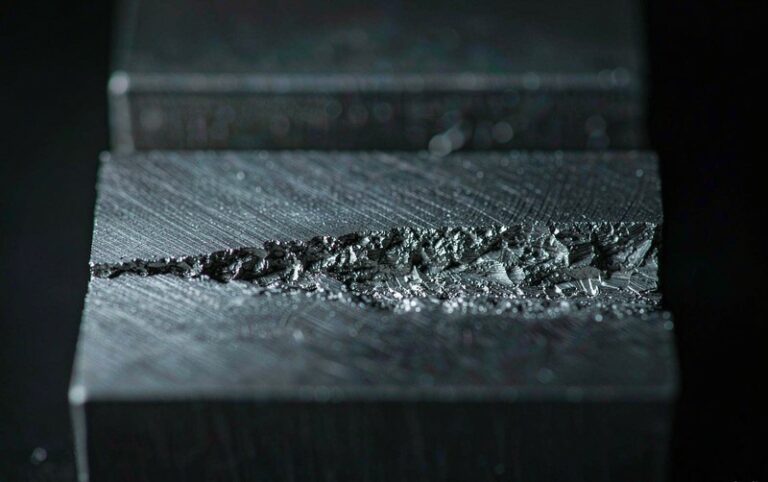
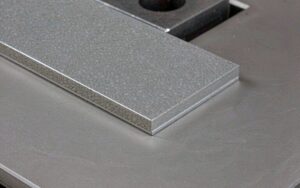
Neither 2014 nor 2024 is corrosion-friendly. High copper makes both prone to intergranular and exfoliation corrosion, and both carry a real stress-corrosion cracking (SCC) risk in thick sections under sustained tensile stress. The standard fix is Alclad: a thin 99.5% pure aluminum surface layer that sacrifices itself and protects the core. You will almost never see bare 2024 skin on a commercial airframe.
2024 is more commonly specified in Alclad form (2024-T3 clad) precisely because it is used in large exposed skins. 2014, more often buried inside forgings and machined structures, is frequently used bare but then painted or anodized. Either way, plan the coating system up front. See our aluminum corrosion resistance guide and the anodizing guide for protection options.
⚠️ Buyer Pain: exfoliation on a 2024 skin after two winters
If a skin shows surface blistering, it was likely bare or the clad layer was machined through. Specify Alclad 2024-T3 and protect the clad thickness in your machining drawing.
Weldability, Machinability, and Formability
| Property | 2014 | 2024 | Note for buyers |
|---|---|---|---|
| Weldability | Poor | Poor | Both hot-crack and lose strength in HAZ; use rivets/bolts |
| Machinability | Good (T6) | Fair-Good | 2014-T6 machines cleanly; 2024 gums more |
| Formability (T3/T4) | Good | Very good | 2024 forms better in soft tempers |
| Forgeability | Excellent | Fair | 2014’s Si makes it the forging alloy |
| Cladding | Rare | Common (Alclad) | 2024 skins usually clad |
If your structure must be welded, neither alloy is the answer — move to a 5xxx/6xxx or a specific weldable grade, and read our aluminum welding guide before committing. For riveted or bolted airframe work, both are fine; the decision stays on fatigue, forging behavior, and corrosion.
Understanding the Tempers You Will Actually Buy
- 2014-T4 / T42 — solution heat treated, naturally aged; softer, formable, then ages to full strength. Good for formed parts.
- 2014-T6 / T651 — solution treated and artificially aged to peak strength; the most common forging temper. T651 adds stretch to relieve residual stress in plate.
- 2014-T851 — solution treated, stabilized, and overaged; best dimensional stability for precision-machined plates.
- 2024-T3 / T351 — the aerospace sheet standard; solution treated, cold worked, naturally aged. Excellent fatigue and formability.
- 2024-T4 / T42 — softer formable temper for shaped sheet parts.
- 2024-T851 / T852 — overaged plate for machined structures needing stability.
Tip for buyers: always state the full temper on the PO. “2024” alone invites a mill to ship the wrong condition, and the strength gap between T3 and T8 is large enough to fail a proof load.
Where Each Alloy Wins: Application Map
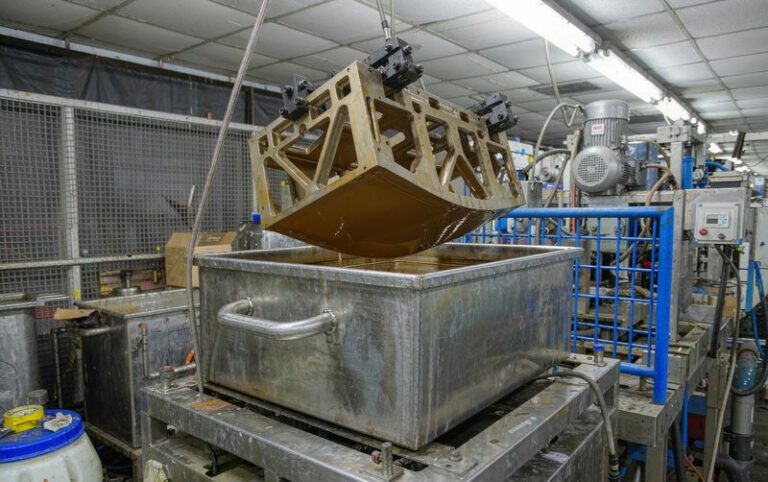
| Application | Preferred alloy | Why |
|---|---|---|
| Aircraft wheels, hubs | 2014-T6 | Excellent forge fill, high yield, good fatigue for rotating parts |
| Complex structural forgings | 2014-T6/T852 | Silicon suppresses hot cracking in dies |
| Fuselage skin (commercial) | Alclad 2024-T3 | Best fatigue + clad corrosion protection |
| Wing lower skins / tension members | 2024-T3 | Long crack-initiation life under tension |
| Spars, ribs, frames (plate) | 2024-T851 / 2014-T851 | Machinable, stable, high strength |
| Truck / trailer frames | 2014-T6 | Cost-effective high-strength forging |
| Military vehicle armor plate | 2024 / 5083 hybrid | Ballistic + structural trade study |
The rule of thumb our engineering desk gives buyers: if it is forged, think 2014; if it is rolled and lives in tension, think 2024. Cross-reference the broader landscape in our 7075 aerospace guide when you need even higher strength.
Sourcing 2014 and 2024: MOQ, Lead Time, and Certification
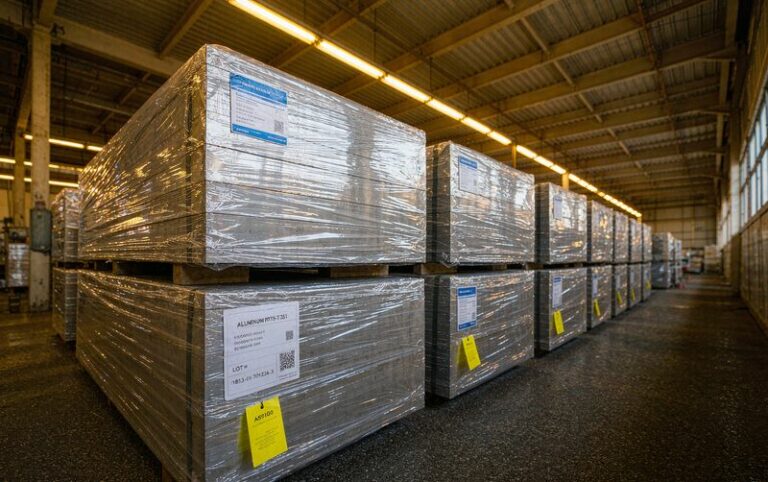
Both alloys are commodity-aerospace grades, but availability varies by form. 2024 sheet and plate are stocked widely; 2014 forgings and thick plate can carry longer lead times because forging dies and heat-treat cycles are batch-limited. Typical buyer terms from a China mill source like HXM:
- MOQ: 1-3 metric tons per specification (smaller lots possible for stock shapes).
- Lead time: 15-25 working days for standard tempers; longer for bespoke forgings or heat treatments.
- Certification: EN 10204 3.1 mill certificate as standard; NADCAP heat treat and ultrasonic testing on request.
- Forms: sheet, plate, coil, forged blocks, bars, and extrusions — confirm the exact temper and clad requirement on the inquiry.
Need help comparing landed cost including duty? Our 2026 aluminum price-trends guide and China sourcing guide walk through quotes and Incoterms.
Five-Question Checklist to Pick the Right Alloy
- Is the part forged or heavily sectioned? Yes → 2014. No → go to 2.
- Does it live in tension and see fatigue cycling? Yes → 2024-T3.
- Is corrosion exposure high and the part thin/exposed? Yes → 2024 in Alclad, or 2014 with a coating plan.
- Must it be welded? Yes → neither; choose a weldable grade.
- Is dimensional stability after machining critical? Yes → specify T851/T852 overage tempers.
If you answer leans 2014 on forging and 2024 on skin, you have your answer. When the part sits in the middle, send us the drawing and loads — we will run the substitution check for free.
Not sure whether 2014 or 2024 is right for your part?
Send us your drawing, temper, and service loads. Our metallurgy team returns a spec recommendation and a factory-direct quote within one business day.
Frequently Asked Questions
Is 2014 or 2024 stronger?
At peak tempers they are close in ultimate tensile strength (~480 MPa): 2014-T6 and 2024-T3 both reach it. 2014-T6 has the higher yield (~415 MPa vs ~345 MPa for 2024-T3), while 2024-T3 has better elongation and fatigue life. Choose by load type, not by headline strength.
Can 2024 replace 2014 in a forging?
Not usually. 2024’s low silicon makes it hot-short and prone to forging cracks. 2014 was developed for exactly this. If you must forge, stay with 2014 or move to a forging-friendly grade.
Why is 2024 used for aircraft skin instead of 2014?
2024-T3 offers superior fatigue resistance and formability in thin sheet, and it is routinely supplied as Alclad for corrosion protection. 2014’s higher silicon hurts fatigue and formability in sheet, so it is rarely a skin choice.
Are 2014 and 2024 weldable?
No. Both are heat-treatable 2xxx alloys that hot-crack in the weld and lose strength in the heat-affected zone. Aerospace practice joins them with rivets or bolts. For welded structures use 5xxx/6xxx or a purpose-designed weldable alloy.
What corrosion protection do they need?
Both need a plan: 2024 is usually Alclad (pure-Al surface layer) for skins; 2014 is painted or anodized. Avoid bare exposure. See our corrosion and anodizing guides for coating options.
What tempers should I specify on a purchase order?
State the full temper: 2014-T6/T651/T851 or 2024-T3/T351/T851/T852. ‘2024’ alone lets a mill ship the wrong condition, and the T3-to-T8 strength gap can fail a proof load.
Is 2014 cheaper than 2024?
Generally comparable; 2014 can be cost-effective in forgings because of higher forge yield, while 2024 sheet is widely stocked. Final cost depends on form, temper, cladding, and certification.
What is the typical MOQ and lead time?
From HXM: MOQ 1-3 t per specification, lead time 15-25 working days for standard tempers, longer for bespoke forgings or heat treatments. EN 10204 3.1 certification is standard.
Can I get 2014 or 2024 with EN 10204 3.1?
Yes. Mill certificates to EN 10204 3.1 are standard; NADCAP heat treatment and ultrasonic testing are available on request.
Does 2014 machine better than 2024?
In the T6 condition 2014 machines very cleanly with good chip breakage. 2024 is gummier, especially in softer tempers, and needs sharper tooling and proper speeds/feeds.
Which alloy is better for military vehicle armor?
It depends on the threat and weight budget. 2024 offers good ballistic-plus-structural behavior in plate; 5083 is often preferred for weldable armor. A trade study is required — share your threat spec with us.
Is 2014 used in non-aerospace industries?
Yes. Its forging strength makes it popular for truck and trailer frames, heavy equipment, and structural components where weldability is not required.
How do I request a substitution review?
Email or WhatsApp us the drawing, intended temper, and service loads. We return an alloy recommendation and a factory-direct quote, typically within one business day.
Where can I compare 2014/2024 against other aerospace alloys?
Our 2024 aerospace guide, 7075 aerospace guide, and the aluminum mechanical properties chart give the full 2xxx/7xxx picture for spec writing.
Ready to specify 2014 or 2024 with confidence?
Get a factory-direct quote with EN 10204 3.1 certification, MOQ from 1 t, and 15-25 day lead time. Our team confirms the right temper and cladding for your application.