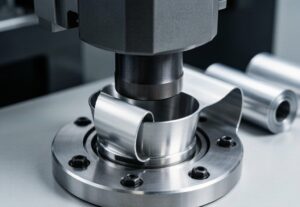
Aluminum bar and rod are fundamental semi-finished products used across manufacturing, construction, and engineering industries. Available in round, square, hexagonal, and flat profiles, aluminum bar stock provides the raw material for CNC machining, forging, and structural applications. This comprehensive guide from HXM Aluminum covers the types, alloys, properties, and applications of aluminum bar and rod products.
Aluminum Bar vs Aluminum Rod: Understanding the Difference
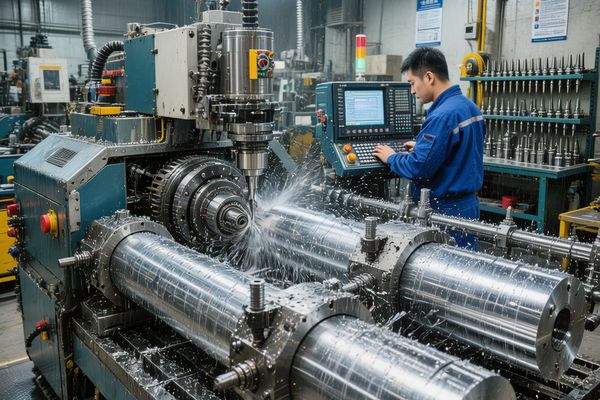
While often used interchangeably, “bar” and “rod” have specific industry definitions:
- Aluminum Rod: Typically refers to round cross-section products, often coiled or in straight lengths, with smaller diameters (3–16mm). Used for fasteners, rivets, and wire drawing feedstock
- Aluminum Bar: Refers to straight-length products in various cross-sections (round, square, hex, flat/rectangular) with larger dimensions. Used for machining, structural, and decorative applications
Browse our full range of aluminum bar and rod products at HXM Aluminum.
Aluminum Bar Cross-Section Profiles
Round Bar
The most common profile. Round aluminum bar is used for shafts, pins, bushings, fasteners, and general machining stock. Available from 3mm to 500mm diameter.
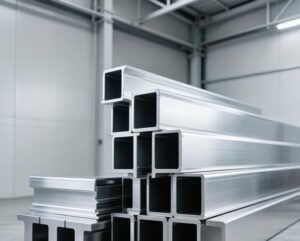
Square Bar
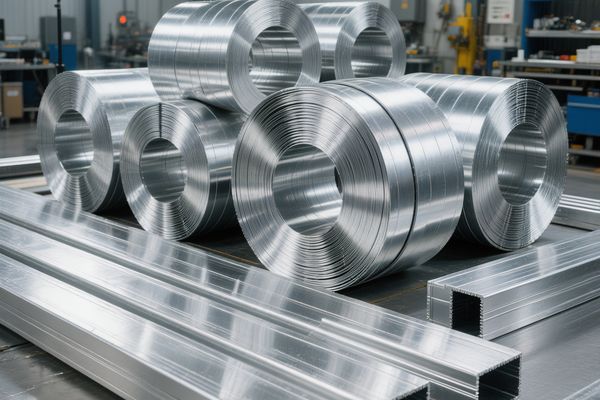
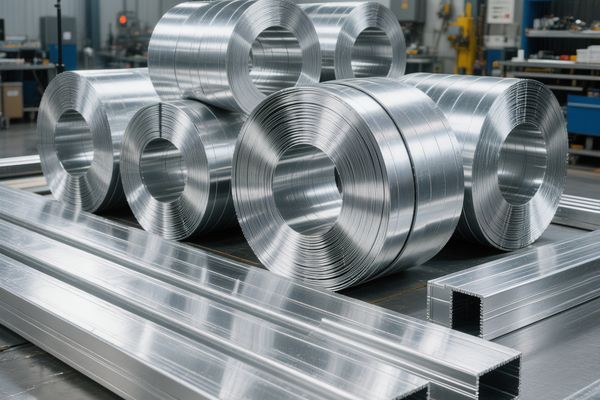
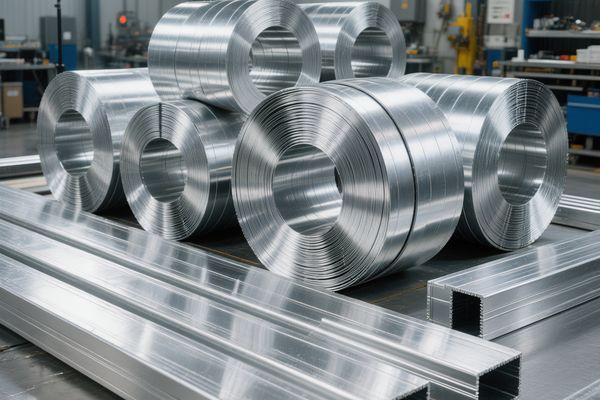
Used for structural supports, machine components, and decorative trim. Square bar provides equal strength in both axes and is easier to fixture in machining setups.
Hex Bar
Hexagonal bar is specifically designed for manufacturing fasteners (bolts, nuts), valve stems, and fittings. The hex shape allows easy gripping in wrenches and chuck fixtures.
Flat Bar
Rectangular cross-section bar used for structural brackets, braces, base plates, and architectural trim. Flat bar bridges the gap between aluminum sheet and square bar products.
Common Aluminum Bar Alloys
6061 Aluminum Bar (Most Versatile)
6061-T6 is the most popular aluminum bar alloy, offering an excellent balance of strength (310 MPa UTS), corrosion resistance, machinability, and weldability. Used for structural components, machine parts, and marine hardware. Read our 6061-T6 Deep Dive for detailed properties.
6063 Aluminum Bar
Known for superior surface finish and extrudability, 6063 bar is used for architectural applications, furniture, and decorative trim where appearance matters. See our 6063 Alloy Guide.
7075 Aluminum Bar
The highest-strength aluminum bar, 7075-T6 reaches 572 MPa UTS. Used in aerospace, military, and high-performance applications. See our 7075 Aerospace Aluminum Guide.
2024 Aluminum Bar
Excellent fatigue resistance makes 2024 bar the choice for aircraft structures and fatigue-critical components. Compare with 7075 in our 2024 vs 7075 Aluminum article.
5052 Aluminum Bar
Best corrosion resistance among bar alloys, 5052 is used in marine environments, chemical equipment, and outdoor structures. See 5052 Guide.
1100/1060 Aluminum Bar
Commercially pure aluminum bar with excellent corrosion resistance, formability, and electrical conductivity. Used for electrical bus bars, chemical equipment, and food industry components. See 1000 Series products.
Manufacturing Methods for Aluminum Bar
Extruded Bar
The most common manufacturing method. Heated billets are forced through a die to produce the desired cross-section. Extrusion is cost-effective for 6xxx series alloys and allows complex cross-sections. See our Aluminum Processing Technology Guide for process details.
Rolled Bar
Hot or cold rolling produces round and flat bar with fine grain structure and consistent mechanical properties. Common for 2xxx, 5xxx, and 7xxx series alloys.
Forged Bar
Forging produces bar with superior internal soundness and directional grain flow. Used for aerospace and critical structural applications requiring maximum reliability. Typically available in larger diameters (100mm+).
Key Applications of Aluminum Bar & Rod
- CNC machined components: Shafts, bushings, brackets, housings, and precision parts across all industries
- Fasteners & hardware: Bolts, nuts, rivets, pins, and threaded rod (especially hex bar)
- Structural supports: Bracing, frames, and support structures in construction and industrial equipment
- Marine hardware: 5052 and 6061 bar for corrosion-resistant fittings and rigging components
- Aerospace components: 7075 and 2024 bar for aircraft structural and mechanical parts. See Aircraft Aluminum Suppliers
- Electrical systems: Bus bar, connectors, and conductive components using 1060/1100 alloys
- Decorative & architectural: 6063 bar for handrails, trim, and furniture
Aluminum Bar Specifications
| Parameter | Typical Range |
|---|---|
| Alloy | 1060, 1100, 2014, 2024, 5052, 6061, 6063, 6082, 7075 |
| Temper | O, T3, T4, T5, T6, T651, T7351 |
| Round Bar Diameter | 3 – 500 mm |
| Square/Hex Bar Size | 3 – 200 mm |
| Flat Bar Width | 10 – 400 mm |
| Flat Bar Thickness | 3 – 100 mm |
| Standard Length | 1000 – 6000 mm (custom cutting available) |
| Tolerances | Per ASTM B211, EN 755, or GB/T 6892 |
How to Select the Right Aluminum Bar
- Define the application requirements: Strength, corrosion resistance, machinability, weldability, or appearance?
- Choose alloy and temper: 6061-T6 for general purpose; 7075-T6 for maximum strength; 5052-H32 for marine; 6063-T5 for architectural. See How to Choose the Correct Aluminium Alloy
- Select cross-section profile: Round for shafts and machining; hex for fasteners; flat for brackets and structural
- Specify dimensions and tolerances: Tighter tolerances cost more — specify only what your application requires
- Consider surface finish: Mill finish for further processing; polished or anodized for visible/decorative applications
- Verify quality certifications: Mill test certificates per EN 10204 3.1 from HXM quality-tested products
Aluminum Bar vs Steel Bar
Aluminum bar offers significant advantages over steel in many applications:
- Weight: Approximately 1/3 the density of steel — critical for aerospace and transportation
- Corrosion resistance: No rusting; naturally forms protective oxide layer
- Machinability: Aluminum machines 3–5x faster than steel with less tool wear
- Non-magnetic: Essential for electronic and medical applications
- Electrical conductivity: 60% that of copper by weight — ideal for bus bars and conductors
Steel remains preferred when maximum hardness, high-temperature strength, or absolute lowest material cost is required. For a comparison of aluminum alloys, see Aluminum Alloy vs Pure Aluminum.
Frequently Asked Questions
Can aluminum bar be bent?
Yes, depending on the alloy and temper. O and T4 tempers bend easily. T6 temper requires larger bend radii and may crack if bent too sharply. 5052 and 6063 have better formability than 6061 and 7075.
What is the strongest aluminum bar?
7075-T6 aluminum bar offers the highest tensile strength (572 MPa) among commercially available aluminum bar alloys. For comparison with other high-strength options, see our 6061 vs 7075 and 2000 vs 7000 Series comparisons.
Is aluminum bar weldable?
Most aluminum bar alloys are weldable. 6061 has good weldability (TIG/MIG). 5052 and 3003 have excellent weldability. 7075 and 2024 are generally not recommended for arc welding. See temper designations for more on how heat treatment affects weldability.
Conclusion
Aluminum bar and rod are indispensable materials for manufacturing, construction, and engineering applications. The wide range of available alloys, profiles, and tempers means there’s an optimal aluminum bar for virtually every application. Choosing the right alloy-temper-profile combination — backed by certified quality from a reliable manufacturer — is key to project success.
HXM Aluminum supplies aluminum bar and rod in all common alloys and profiles with comprehensive quality testing and custom specifications. As one of the top aluminum bar manufacturers in China, we deliver certified products worldwide. Contact us for pricing.
Related reading: 6061-T6 Deep Dive | 7075 Aerospace Aluminum Guide | Top Aluminum Bar Manufacturers in China | How to Choose the Correct Aluminium Alloy | Density of Aluminum Alloys